
1817: The First Seminole War begins when Gen. (and future president) Andrew Jackson leads forces into Spanish-held Florida to reclaim escaped slaves from Seminole tribal areas.
1943: USS Nautilus (SS-168) surfaces and disembarks Capt. James L. Jones and his Marine Amphibious Reconnaissance Company off the beaches of Abemama Atoll in the Gilbert Islands. The raiders board rubber rafts and paddle ashore under cover of darkness, spending the next several days wiping out the defenders and capturing the islands along with fire support from the sub. The Marine Corps’ modern-day Force Reconnaissance companies trace their roots to Jones’ team.
1947: Grumman’s first jet fighter, the F9F “Panther” makes its first flight. The F9F will serve as the Navy and Marine Corps’ primary jet fighter during the Korean War and will be flown by Hall of Fame baseball player Ted Williams (USMC) and Apollo 11 astronaut Neil Armstrong (USN).
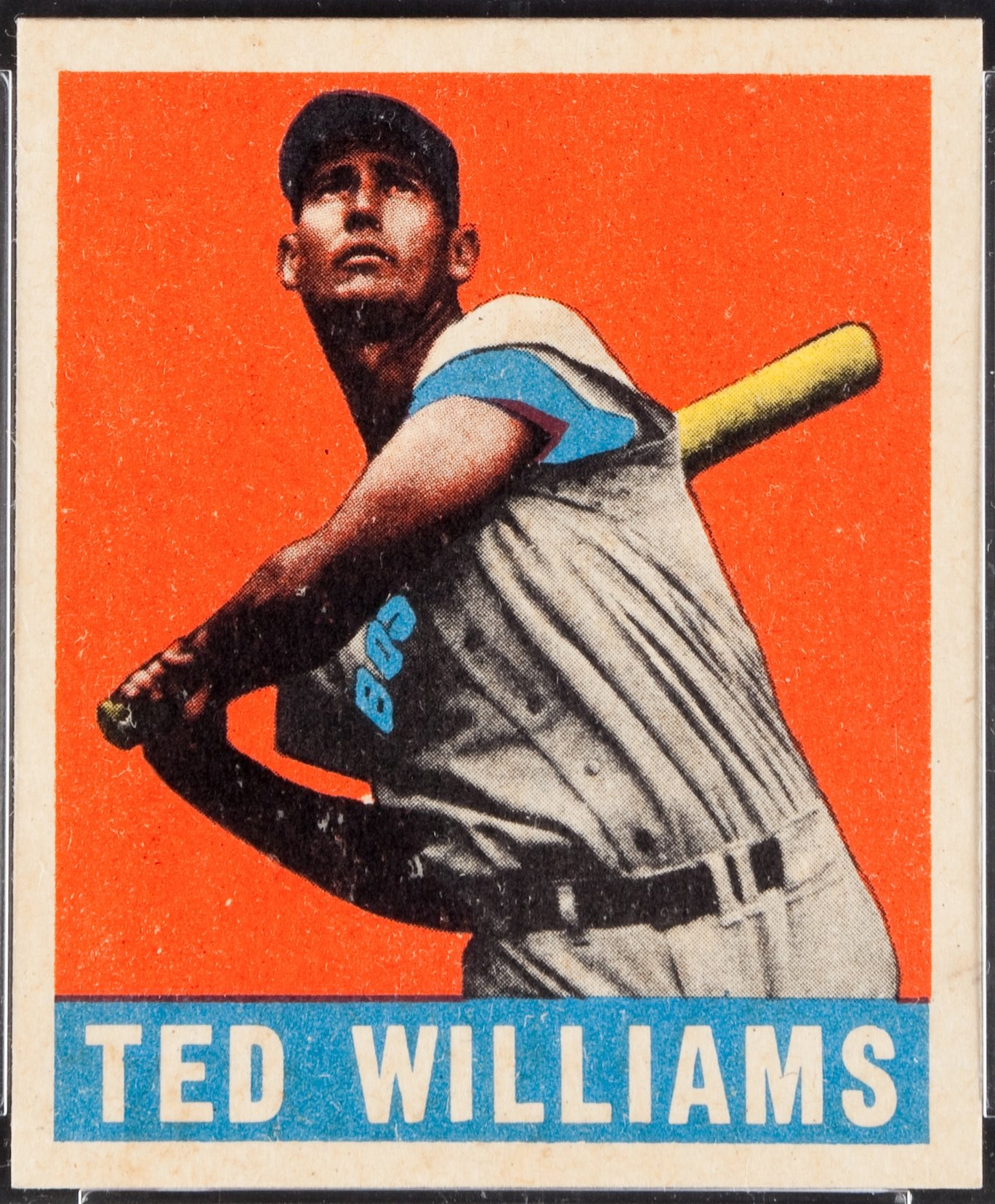
Ted Williams was among those who flew the F9F.
1967: Gen. William Westmoreland, the commander of U.S. Military Assistance Command Vietnam, tells the American press that “I am absolutely certain that whereas in 1965 the enemy was winning, today he is certainly losing.”
1970: Col. Arthur D. “Bull” Simons leads a 56-man rescue operation on the Son Tay POW camp, just 23 miles from Hanoi, North Vietnam. Although the prisoners had been relocated to another camp prior to the operation, the raid – involving over 100 aircraft from multiple services – was a tactical success. Dozens of enemy guards are killed during the brief engagement and the assault would serve in part as a model for the formation of Special Operations Command.
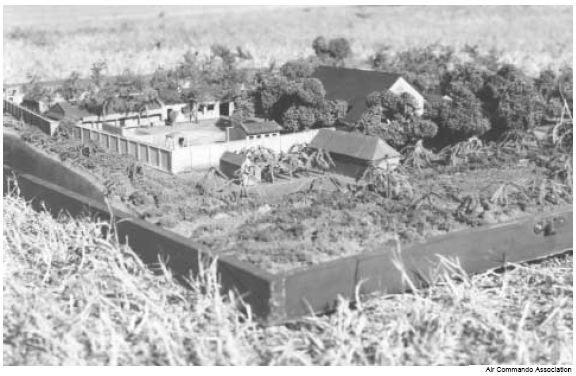
A model of the Son Tay prisoner camp.