
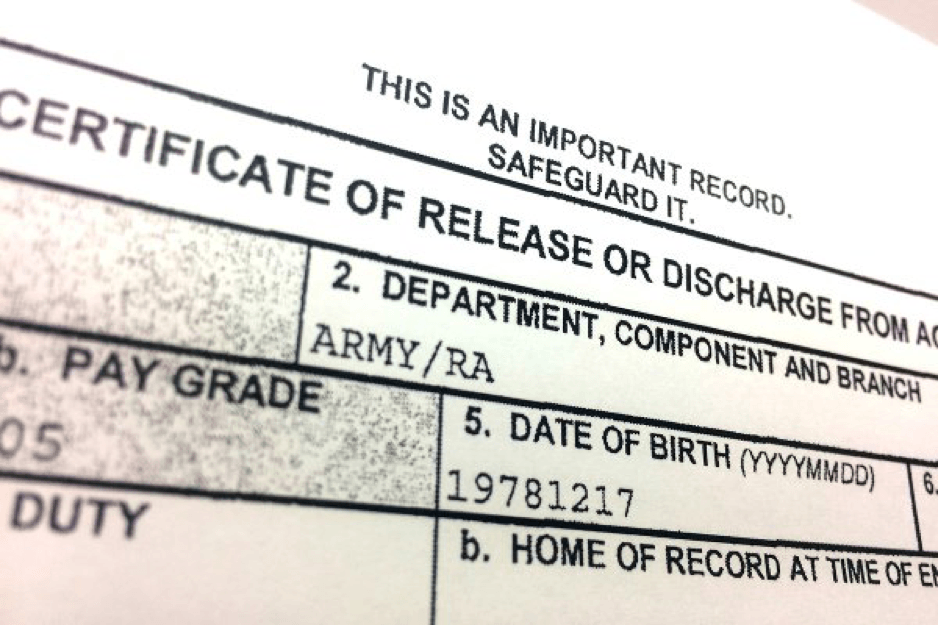
One of the things that will disqualify you from becoming a police officer is a Dishonorable Discharge from the military. Now notice I did not say “Other than Honorable”. I said “Dishonorable”. I get that question a lot also. Police departments do not really care if you failed out of basic training because you hurt your toe. As long as it was not a dishonorable discharge, you should be OK in this area, as long as you have a valid explanation.
When in doubt you should ask the agency you are applying to if something in particular you are concerned about will disqualify you or not. It is much better to ask BEFORE you even apply to save yourself the time and money. Also, it will come out in the background investigation anyway if you try to hide something, and that of course is an immediate disqualification.

Driving Record: Some of the things they check and look at negatively are having a bad driving record – I mean tickets for things like speeding, reckless or careless driving, running a red light, or other tickets that show a general disregard for safety. I saw a person post a question in an on-line forum and ask if they would qualify after having 8 tickets and being arrested twice for not paying tickets. What do you think?
Suspended licenses are usually a no go also. You should have a clear record for a period of time (3-5 years) before you bother to apply. Or at the very least make sure it is for a minor infraction such as a faulty taillight. Remember the agency has to trust you with a patrol car that at times will be driven in emergency mode. If for some reason you have an on the job motor vehicle accident during one of these emergency responses, those acting on your behalf may have a difficult time proving guilt or innocence for that matter, with a previous history of reckless driving.
 Drug Use: An item in the background investigation that really hurts many applicants is one I get questions about a lot, past drug use. First, let me say again each department may be a little different but most are along the same lines. Hard Drugs used even in the last 20 years is a disqualification most of the time, heroin, speed, LSD, addiction to prescription drugs are a few automatics for most police departments. Most agencies will not touch you if you were dealing drugs at all (that is a felony in case you did not realize it).
I actually had a kid ask me if he was disqualified if he had dealt pot back when he was a teenager (7 years ago), he just admitted to a felony, so of course you can guess the answer. Most agencies will not process you if you used drugs within the last 3 years. If you are five or more years out, it depends on what it was and how often. Daily as well as weekly usage is a sign of an addictive personality and the applicant may not be suitable for employment.

Employment History: Having 20 jobs in a 5 year period is not good. You should show some kind of ability to hold a job. Being fired for failing to show up to work, calling in sick all the time, and having an ex-employer tell us that you were the “worst” employee they ever had does not look too good. Agencies depend on you to show up to work on time and ready to work. So do your coworkers.

Social Media: Something new and of big concern now is if you have a “Social Networking Site” of your own. These are the sites where you post your entire lives and everything else about yourself that you should not be posting online. If you have a Twitter or Facebook page, make sure it is something you would want your prospective employer to see. They are hiring people to look over them and report on anything of potential conflict of interest. In addition, do a web search for yourself and any user names that you use or have used in the past and see what you find. They are checking things like that. Remember, never write or put anything online that you would not want your current or future boss to see as he/she just might have seen it already!

Interview: Next the Police Oral Board! Police oral boards are one of the most nerve-racking things you will do. Most people are very nervous when they walk in the door of the room and see the police oral board panel sitting there. You are before a live audience and it is time to perform at your best!
What is an oral police board? It is a live panel made up of 3-5 people, that ask applicants a series of questions. You usually are seated in a room across a table from these people, they ask you questions in turn and then listen to, take notes on, and score your answers to the questions. They further compare these answers with the required passing score and against other applicants. In some agencies, you can be removed from the application process for not passing the police oral board.
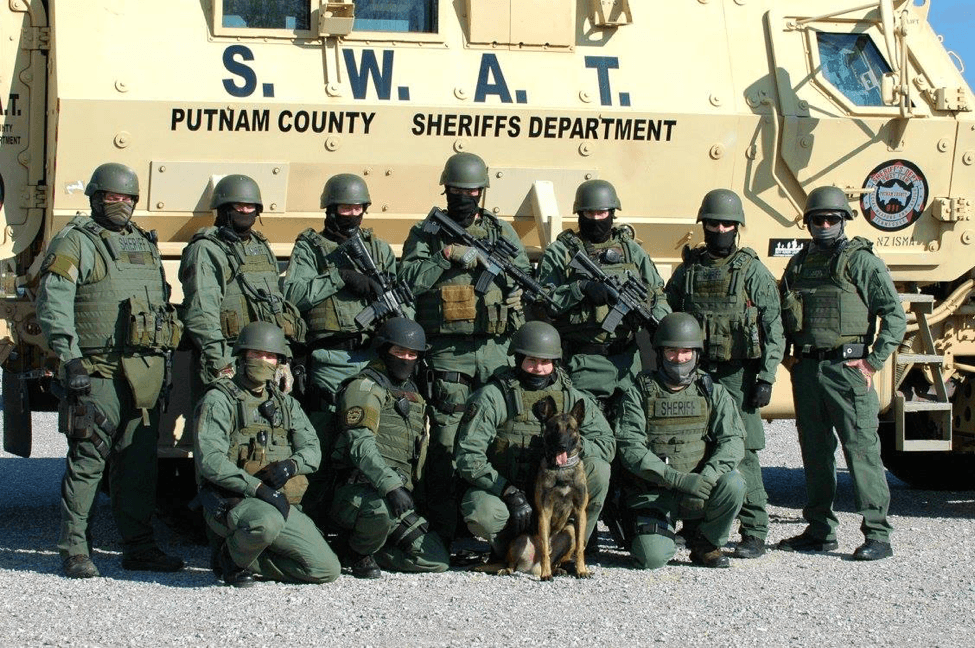
Options: Many people are under the impression that being a SWAT team member is a full time position. In 99% of departments, it is not, it is what we call a secondary position. That means that you are a patrol police officer or detective or whatever position you are serving in and a SWAT member second. You carry all the SWAT gear in your assigned vehicle or it is carried in the SWAT response vehicle, and when you are needed for a SWAT call out, they notify you and you respond to the location and become a SWAT team member.
For most secondary positions you have to serve a number of years on the department before you can put in to be a member of one of these, but sometimes, if you have special talents (military sniper, EOD training, Dive Master…etc…) you can get a waiver based on departmental need. Don’t count on getting on any special team before you’re off probation though (usually your first 6 months to 1 year).
Here is a list of just some of the additional units available in the police department:
Aviation Unit
Bicycle Patrol
Bomb Squad
Canine Unit
Child Protective Investigations Section
Contractor Licensing and Fraud Unit
Crime Scene and Crime Lab
Crime Stoppers Unit
DUI Unit
Economic Crime Unit
Evidence Unit
Marine Unit and Dive Team
Mass Transit Unit
Motorcycle Unit
Mounted Patrol
Regional Investigations Division
School Resource Deputy Unit
SWAT Team
Victim Services Unit
That’s not all of them. Inquire with the agency you wish to join for further information.