
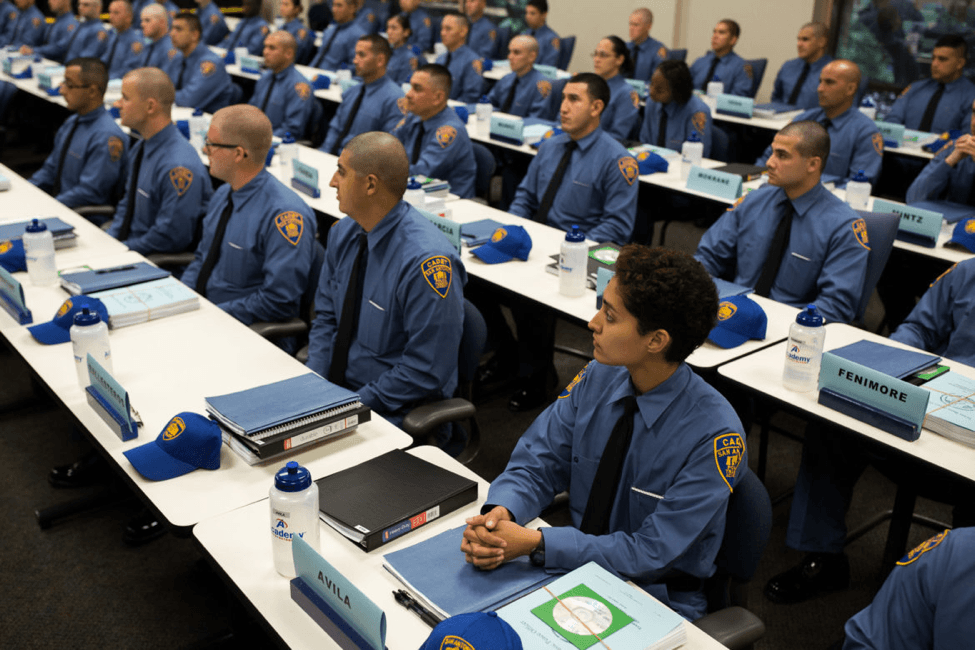
Police Academy: You need to be prepared for the type of academy you are thinking of going too. Not all academies are created equal. Some are very different from others. There are those that are very militaristic, like most state police academies. Some you live on the academy grounds while you attend, some you do not. Some you go full time 8 hours a day, some you go in the evenings.Therefore, it really varies from place to place, state to state. However, I will try to speak on those things that the majority of academies have in common.
First off, think of the academy as one big job interview. Your instructors are usually police professionals and current or past officers. They have ties to the agencies they are part of and will remember you if you do something that merits remembering! In addition, you may have police officials walking around your academy at times, and when they see you standing the hallway, screwing off and talking about something you should not, they will notice you and remember your face and name.
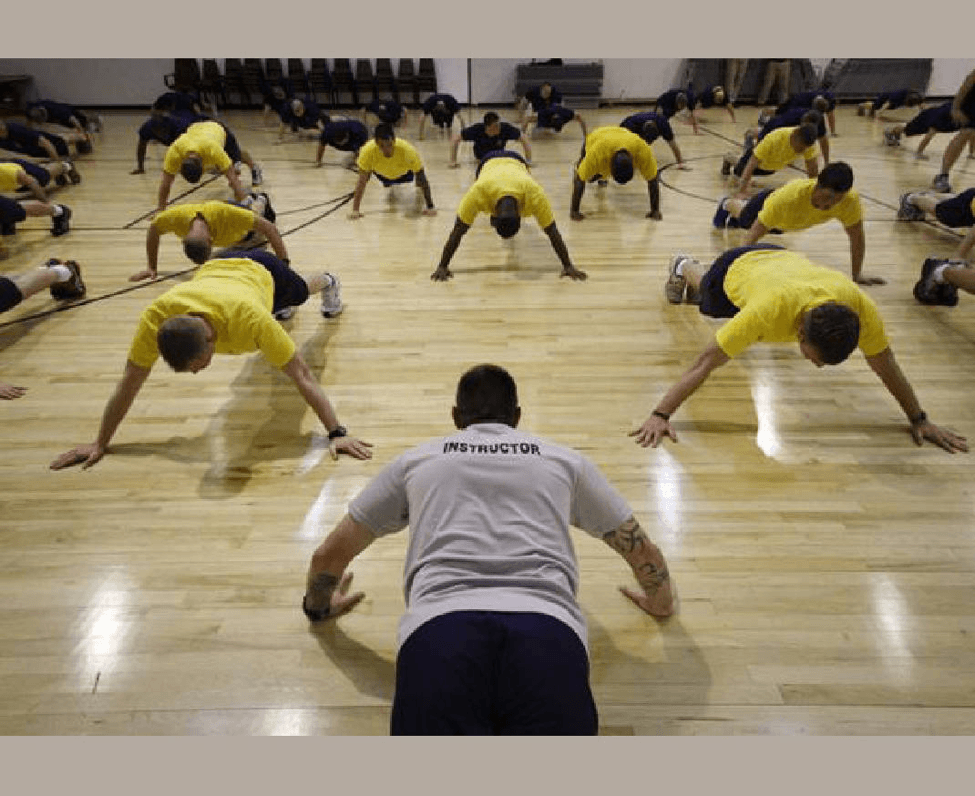
Physical Fitness: OK you may be surprised to know (or maybe not after seeing some of my fellow police officers on the streets) that there is no nationwide physical fitness requirement. Many departments have their own physical requirements. Some police academies require very tough physical standards. Think about the reality of it. You have to be physically fit to do this job, and the more fit you are the more likely you are to survive a physical altercation.
Being physically fit will save your life and maybe that of your fellow police officers and the citizens you serve. Imagine chasing a bad guy on foot for a few hundred yards and once you catch them you’re too tired to fight? You may end up dead. Being physically fit is almost a requirement for self-survival. Your best bet is to get in shape BEFORE the academy so it is not an issue.
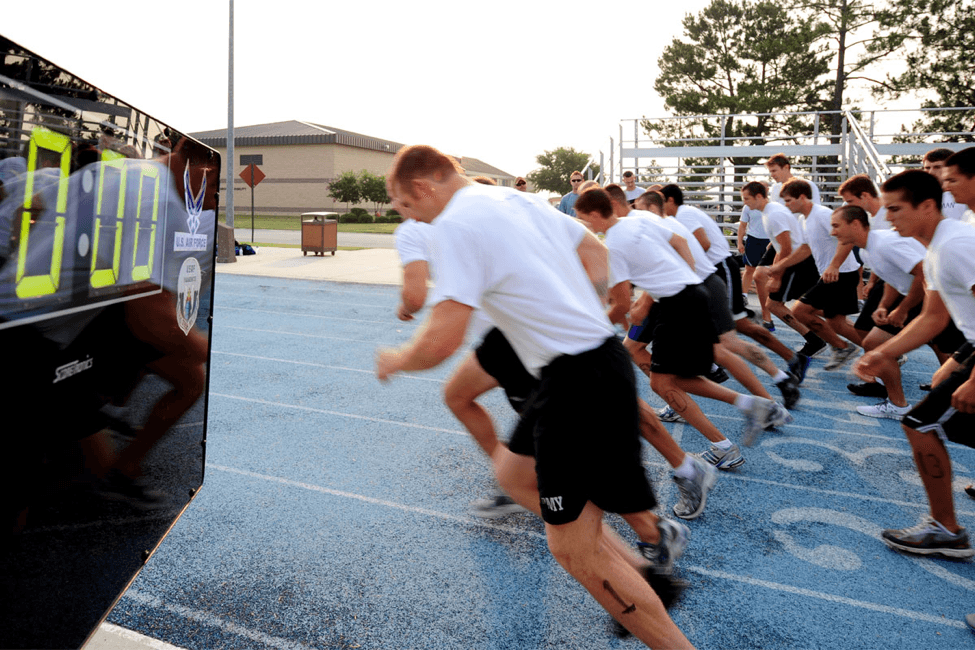
The State of Florida, for example, does have a physical requirement once you are in the academy. The Physical Fitness course is 60 mandatory hours of your academy time. How that time is spent is again up to each academy and the programs vary widely. We follow a CrossFit style PT program.
The State of Florida requires that recruits be tested twice while in the Police and Corrections academy. Once in the first two weeks, and once in the last two weeks of the academy (or at the end of 60 hours of PT training. The test consists of the following:
1.5 mile run
300-yard sprint
Maximum without stopping push-ups
Sit-ups in 1 minute
Vertical leap
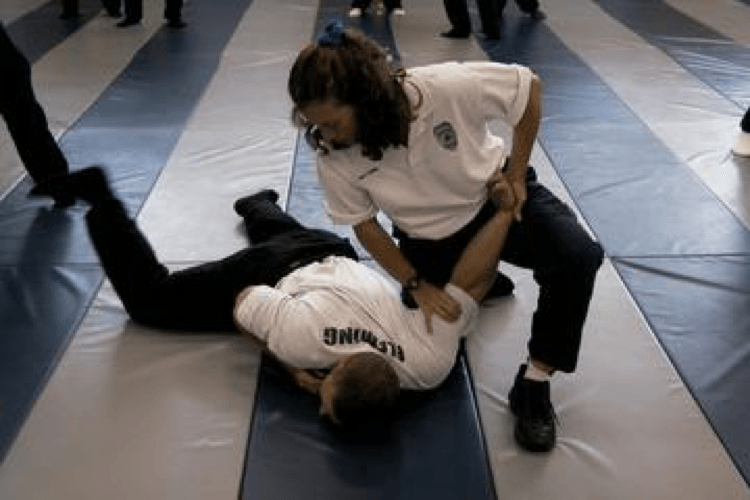
Also you have to study. Set time aside to study the material you covered that day. For some people it is not new, for others it is, either way you should go over it. The exams you are going to take are very important. In some states, like Florida, if you score under the cut off score, which the State has set at 80%, you fail the exam and then fail the academy. You may take upwards of 14 written exams and 4 practical exams (Firearms, Defensive Tactics, Driving, and First Aid).
Therefore, if you go through all the trouble, time, and money to get into the academy, do not blow it because you did not take the time to study because you wanted to go out with your friends drinking the night before the exam. In addition, if you are not at a live on academy, do not get in trouble while in the academy. Stay away from drinking in excess (or at all), no drugs, no criminal activity, and don’t get arrested. So do your very best and behave yourself. You want to be a police officer, not arrested or ticketed by one!
In addition, as soon as you leave (if not while you are stopped) if the officer sees you are in the academy, they will call them. I get calls from officers when they stop one of my recruits. It’s not fun the day after that, trust me.
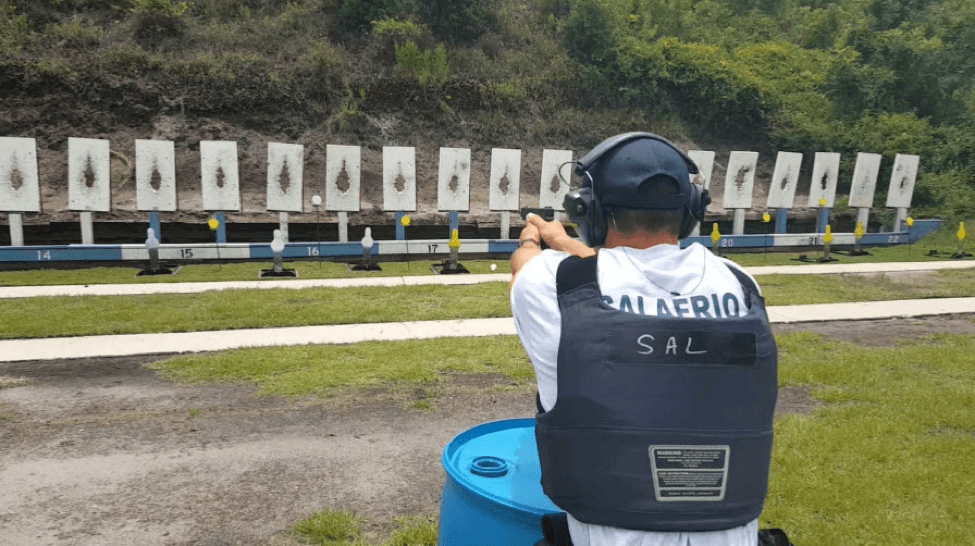
Firearms Training: What makes a good police recruit? Let us discuss a few things that may make people think twice about becoming a police officer. OK lets start here…YOU DO NOT NEED TO KNOW HOW TO SHOOT TO GO TO THE ACADEMY! We get all ranges of firearms experience in the academy. You do not have to have ever fired a firearm before to go to the academy. That is the truth!
In fact, as a firearms instructor myself, and teaching other firearms instructors, and recruits for the last 20 years or so, I find overall those without any firearms experience are the ones that do the best over the course of firearms training. Why you may ask? Because they have no bad habits to break. Police Officer firearms training is very different than target shooting, or competition shooting, or shooting at bowling pins (although we may do that for fun). We teach the “judicial use of deadly force”.
Shooting in the academy starts out at the basics of how to shoot, to the more advanced survival shooting (one hand in case your other is injured, reloading with one hand because your shot in the other, shooting from behind cover, and more). Academy firearms training is a very good basic course in firearms. You have to understand that we use our firearms to stop some kind of threat to others or ourselves. Moreover, in order to stop that threat there are times we must use the firearm to shoot at another human.
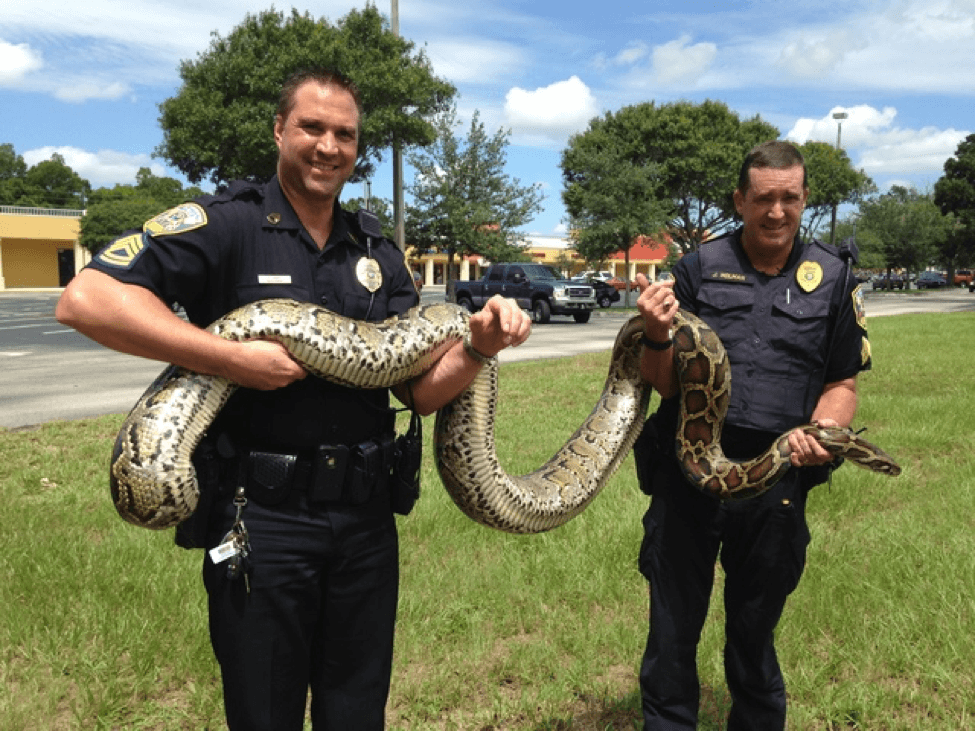 Fear! Get over it! Use it to your advantage, turn fear into energy directed at the situation! You will have to overcome the many fears you may have, whether you are afraid of dogs, cats, snakes, animals of any kind, (not respect for their abilities, but a fear that causes you to want to run away). You will probably at one time or another be chased or possibly attacked by a dog of some kind. You may have to catch a snake. You may have to climb something to a high place, you may have to work near a fire, and you may have to dive into a body of water. Learn to swim. Some people are afraid to touch other people. Not police officers. You have to. You will have to be able to stomach smells that would make 99% of the public vomit. You cannot be afraid of dead bodies or blood. You will see plenty of both at accident scenes and crime scenes, but you have to continue to do your job!
Therefore, if you have an unreasonable fear of any of these things, get over them and get them under control. You must be able to function under any of these situations and continue to do your job. When the smell is coming from inside the 110-degree trailer in the middle of the summer and Mr. Jones hasn’t been seen for a week, you have to go in and check on him, you must, you cannot say no, you will go in and check on him. It is your job!
Recruits may take and pass end of block exams for each block of instruction in the academy with a minimum score of 80%. Yes, you read that correctly, 80% is the minimum score. If you get a 79% on any exam, you fail that block. That means that you have to pass with a “B” average while you are in the academy.
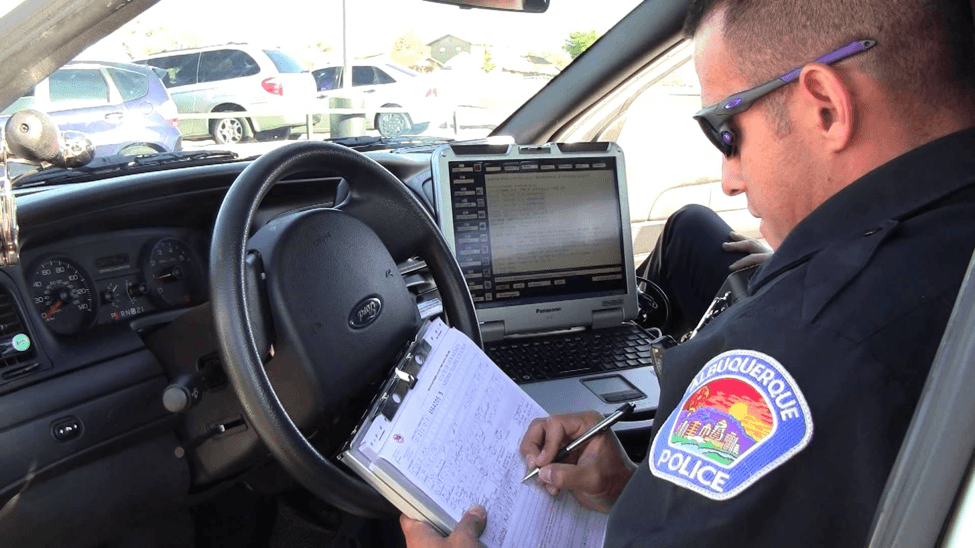
It is not as bad as it sounds. If you put your mind to it, and take time out to study the material each day, and listen to the instructors, use the resources available to you then you will do just fine. However, it is not a walk in the park either. You should be able to at least read and write basic english and detail on paper your recollection of specific events. It’s called report writing.

I would not be fair if I did not finish this list with some of the downsides of police work to consider before you get into it. You will work nights, holidays, and your kid’s birthdays. You will work in all kinds of bad weather, and in my case several hurricanes. You will have to deal with some of the worst people intent on hurting or even killing you. You will have to see, smell and touch things that most people would never imagine, I worked traffic homicide for 7 years, and bodies do not bother me anymore. You will see things that make you wonder about where our society is going and what can we do about it.
Then you will also see some of the best in people. Strangers will stop and help others. You will get to help people in need and who look to you to save them. This wonderful job is anything but routine. So if you are thinking of getting into it think long and hard as its a lifelong career but one that is very fulfilling for those that get the opportunity.